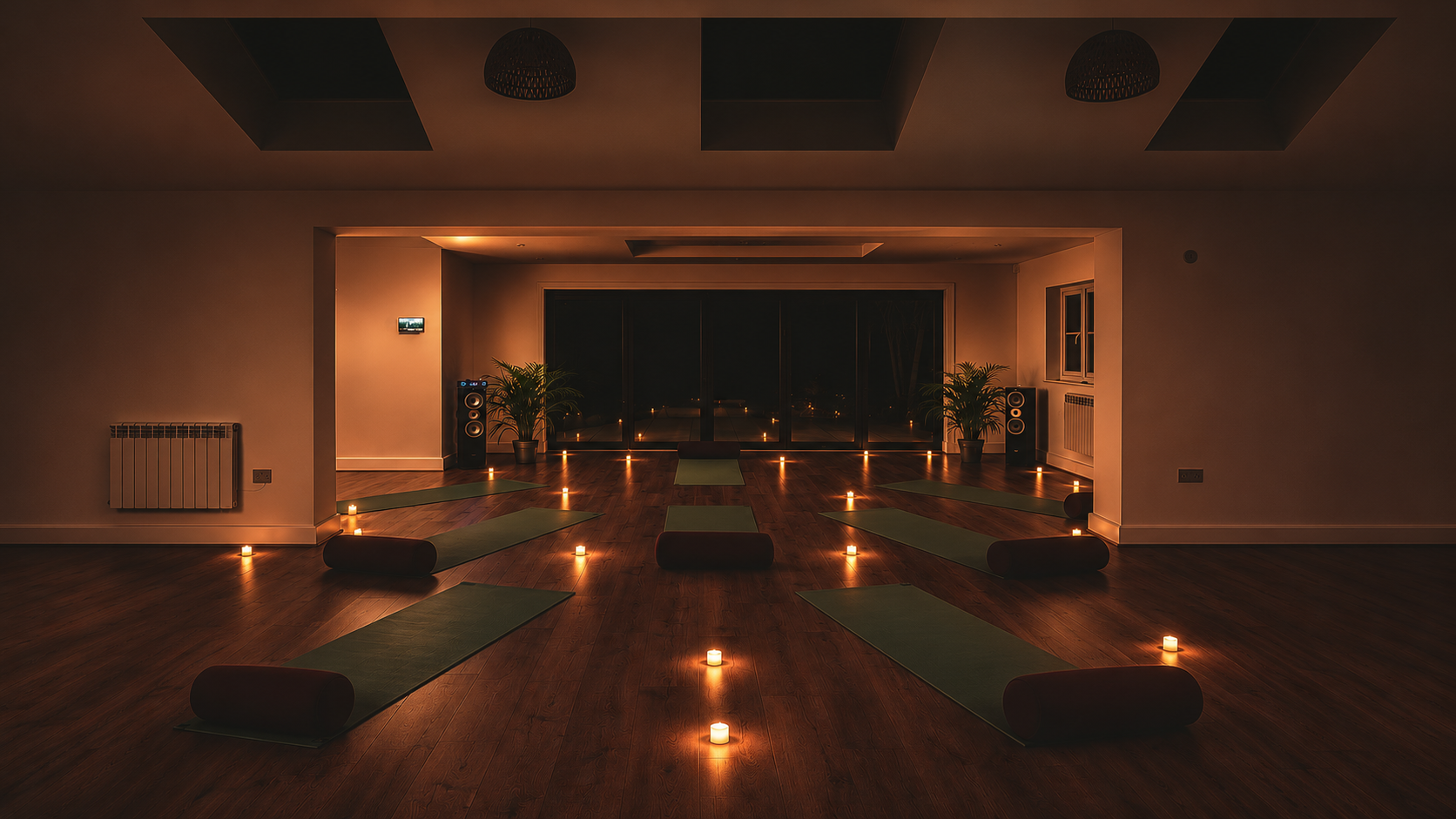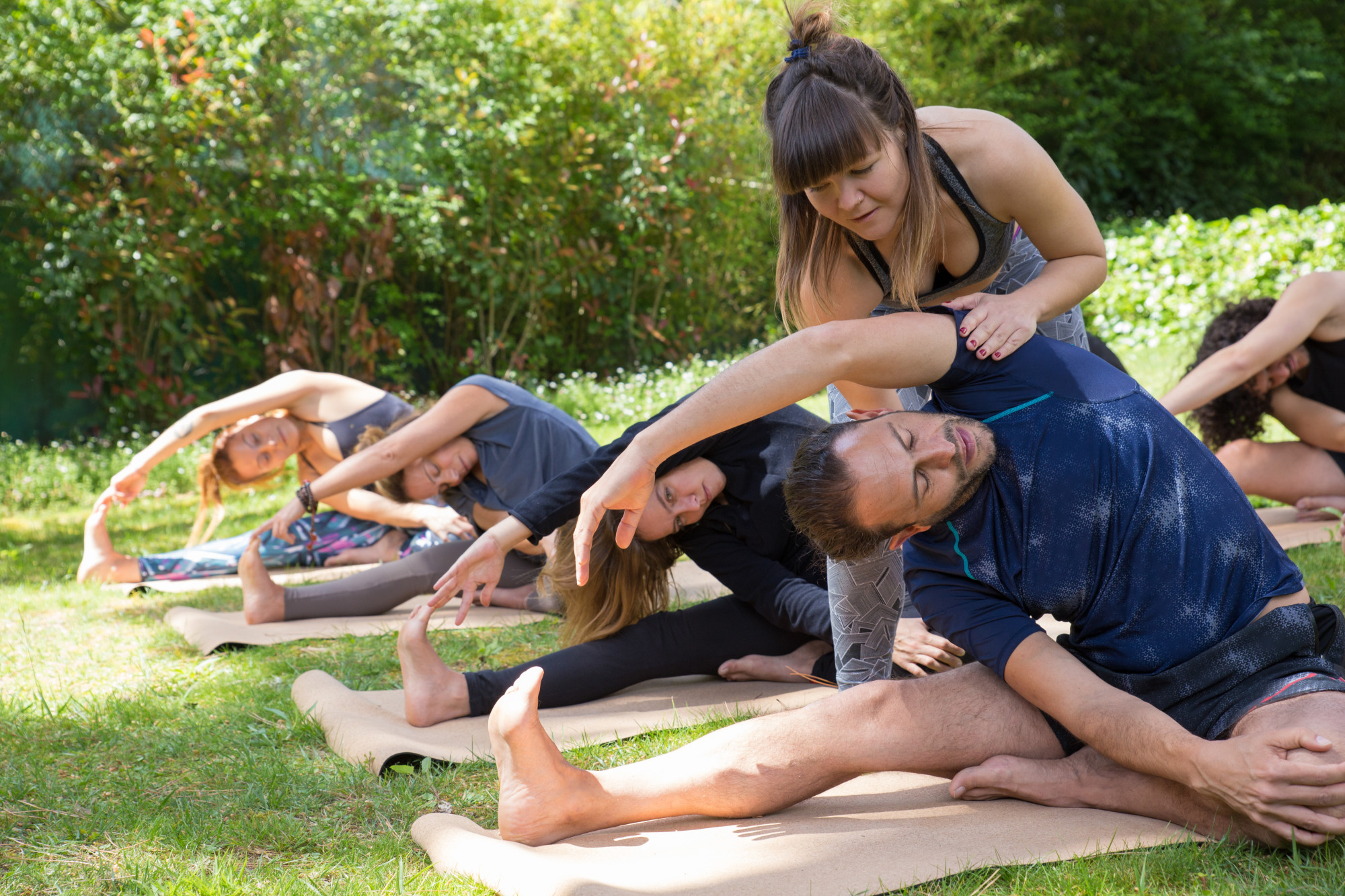
Holidays have traditionally been seen as an opportunity to relax, escape everyday routines and spend time away from home. However, travel habits are beginning to change, with maintaining a healthy and active lifestyle. From morning yoga sessions to fitness classes overlooking the sea, holidays are becoming about looking after both physical and mental wellbeing. This reflects a wider shift in lifestyle choices, as people become increasingly conscious of the importance of maintaining a balance between work, leisure and personal health. Rather than viewing exercise as something that stops when they go on holiday, travellers are finding ways to incorporate it into their travel experiences.
Changing holiday habits
More travellers are choosing to remain active whilst away rather than spending their entire holiday relaxing around a swimming pool or on the beach. People increasingly want to enjoy their destination whilst maintaining their usual exercise routines. This has encouraged hotels and resorts to introduce activities such as swimming, cycling, gym sessions, walking groups and outdoor fitness classes, allowing guests to enjoy their holiday without putting their health and fitness goals on hold.
For some holidaymakers, staying active also provides an opportunity to explore destinations in a different way. Activities such as hiking, paddleboarding, cycling and guided walking tours allow visitors to experience local scenery whilst keeping physically active. This creates a combination of tourism and exercise, making physical activity part of the overall holiday experience rather than an additional responsibility. Hotels that provide these opportunities can also appeal to a wider range of customers, particularly those who want more than traditional accommodation and relaxation facilities.
Yoga and exercise classes abroad
Yoga has become an increasingly popular activity offered by hotels, resorts and holiday retreats. Whether it is morning yoga on the beach, Pilates beside a swimming pool or mediation overlooking the mountains, these activities allow holidaymakers to combine exercise with relaxation. Some travellers even choose their destinations based on the fitness opportunities available, actively searching for accommodation that provide gym facilities, organised exercise classes and wellness experience.
Yoga is particularly appealing because it can benefit both physical and mental wellbeing. It encourages flexibility, balance and strength whilst also providing an opportunity to reduce stress and relax. Participating in classes whilst travelling can also introduce holidaymakers to activities they may not normally try at home. For example, a hotel might organise sunrise yoga sessions, outdoor meditation or group Pilates classes, creating memorable experiences that guests can incorporate into their daily holiday routine. These activities can also encourage social interaction, allowing travellers to meet other guests who share similar interests.
The rise of wellness holidays
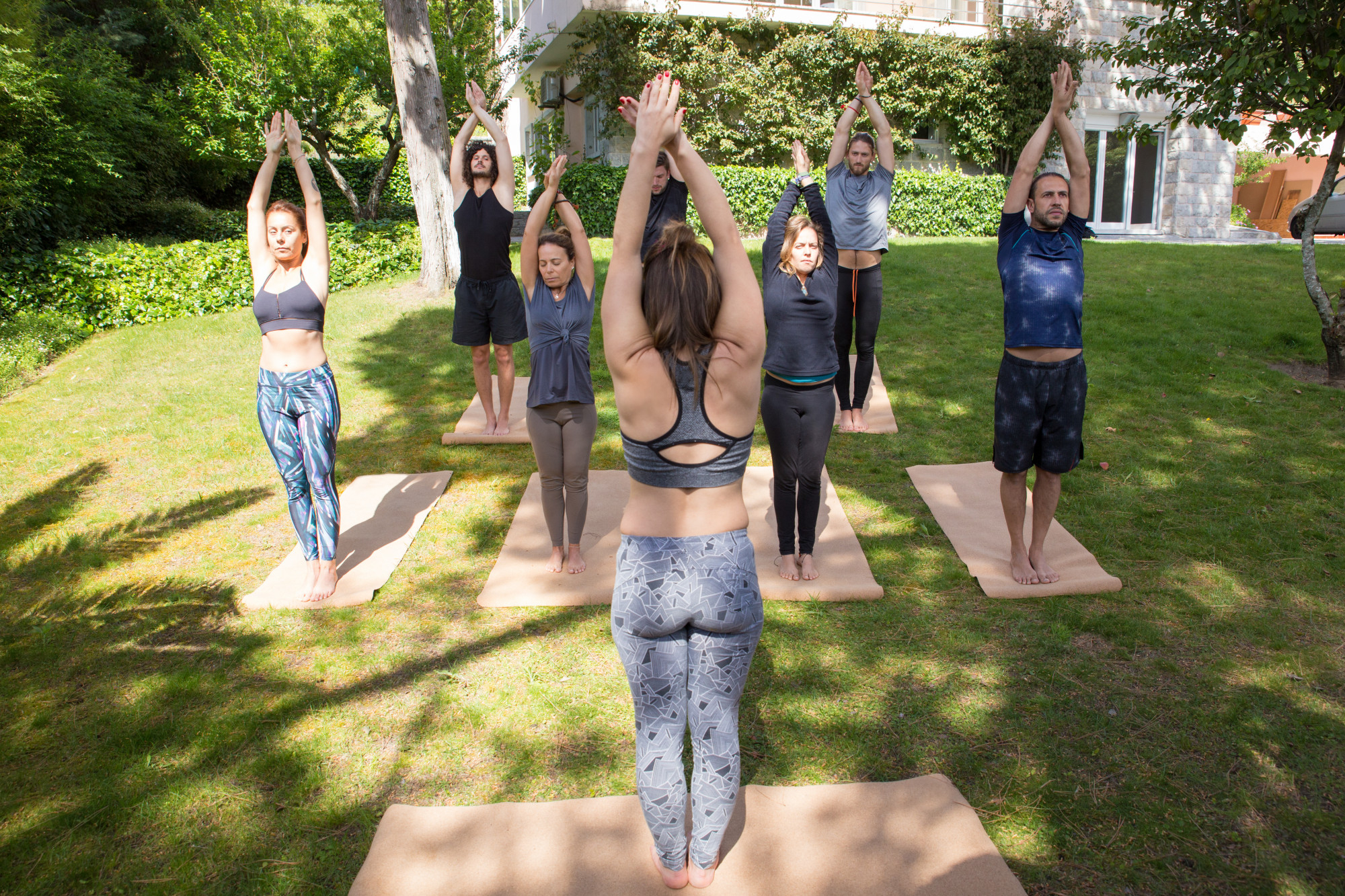
The demand for wellness holidays and retreats had grown significantly, with travellers increasingly prioritising their physical and mental health when choosing where to go. According to the global wellness institute (2026), wellness tourism expenditure has reached 150% of its pre-pandemic level, 2019, demonstrating the growing demand for travel experiences centred around wellbeing. Wellness holidays can include spa treatments, yoga retreats, healthy food experiences, meditation and fitness programmes. This suggests that holidays are no longer just about escaping everyday life but also about returning home feeling healthier, refreshes and re-energised. The report also highlights that wellness tourism expenditure reached approximately $982.4 billion in 2025, showing how important this type of tourism has become within the global travel industry. Wellness holidays can include spa treatments, yoga retreats, healthy food experiences, meditation and fitness programmes.
There are now different types of wellness holidays to suit different interests and budgets. Some travellers might choose a luxury retreat offering personalised fitness programmes, spa treatments and nutritious meals, whilst others may prefer a more affordable holiday that simply includes access to a gym, swimming pool or organised exercise classes. This demonstrates that wellness tourism does not necessarily have to involve an expensive retreat, as smaller activities and facilities can also contribute towards a healthier holiday experience. For tourism businesses, offering these experiences can help attract health-conscious travellers and differentiate their accommodation from competitors.
The influence of social media
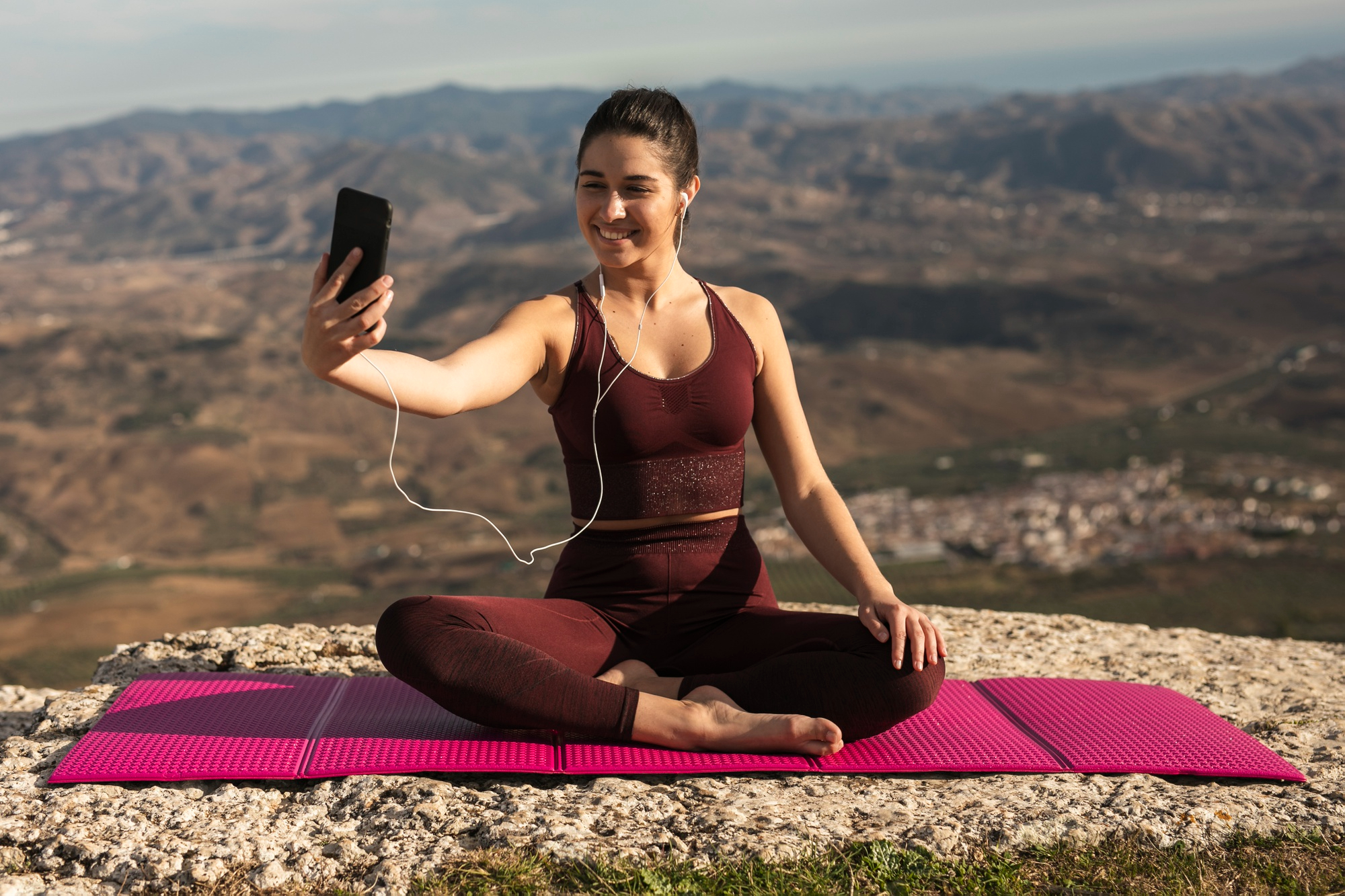
Social media platforms such as Instagram and TikTok have also contributed to the popularity of wellness lifestyles. Fitness influencers and travel content creators regularly share their exercise routines, yoga sessions, healthy meals and experiences at luxury wellness retreats. This content can inspire followers to incorporate similar activities into their own holidays. Wellman and Germic (2024) explain how social media influencers contribute to the growth of the wellness tourism industry by sharing their experiences at wellness retreats. As a result, wellness is becoming more than just a personal lifestyle choice, it is increasingly influencing how people travel, where they stay and what they expect from their holidays.
The popularity of these platforms means that wellness experiences can reach large audiences, encouraging people to discover destinations and activities they may not have previously considered. Photographs and videos of beach yoga, luxury spa resorts, outdoor fitness classes and healthy holiday meals can make wellness holidays appear attractive and desirable. Influencers also provide recommendations and reviews, which may influence where their followers choose to travel and what experiences they look for when booking accommodation.
However, social media can also create unrealistic expectations surrounding health and wellbeing. Wellman and Germic (2024) highlight that wellness content can spread "dangerous beliefs alongside health misinformation". This suggests that although social media can encourage positive lifestyle choices, it can also promote unrealistic fitness expectations and pressure people into believing they must constantly improve their appearance or health. Therefore, wellness should be viewed as an individual experience rather than something that holidaymakers feel pressured to achieve.
The Future of Active and Wellness Holidays
As wellness continues to influence travel choices, hotels and tourism businesses may need to adapt their facilities and experiences to meet changing customer expectations. Offering yoga sessions, fitness classes, healthy dining options and access to outdoor activities could help businesses appeal to travellers who want to maintain an active lifestyle. These facilities may also encourage guests to spend more time using hotel services, creating additional opportunities for businesses to generate revenue.
Ultimately, the growing popularity of active and wellness holidays reflects a change in what travellers want from their experiences. Rather than choosing holidays purely for relaxation, people are increasingly looking for opportunities to improve their physical health, mental wellbeing and overall lifestyle. With hotels adapting their facilities and social media continuing to promote wellness trends, active holidays are likely to remain an important part of the tourism industry.
Sources: